Best Belt Bucket Elevator for Efficient Material Handling?
In the world of material handling, the efficiency of operations hinges significantly on the right equipment. Experts like John Smith, a recognized authority in the Belt Bucket Elevator industry, emphasize, “The right elevator can transform your handling efficiency.” This highlights the importance of choosing a top-performing Belt Bucket Elevator for optimal results.
Belt Bucket Elevators are essential for transporting bulk materials. Their design allows for vertical lifting, maximizing space and reducing operational costs. In many industries, the selection of an elevator is a critical decision. It can lead to significant productivity improvements or unforeseen challenges.
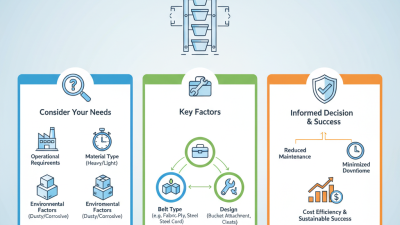
However, not all Belt Bucket Elevators are created equal. Factors like bucket design, belt strength, and material compatibility play crucial roles. Sometimes, companies invest in low-cost options, only to face reliability issues later. Choosing wisely demands a thorough understanding of one’s needs and a commitment to quality. Ultimately, the right Belt Bucket Elevator can make a notable difference in operational efficiency.
Overview of Belt Bucket Elevators in Material Handling
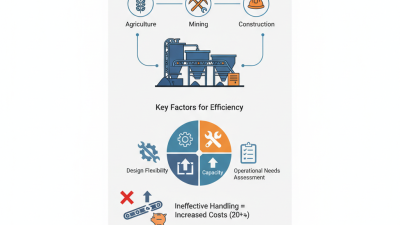
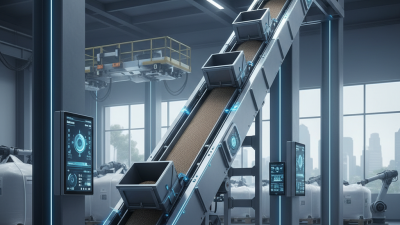
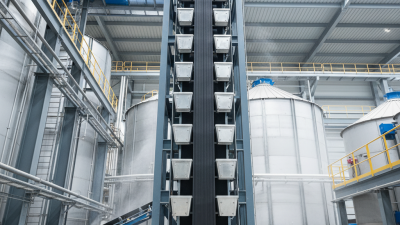
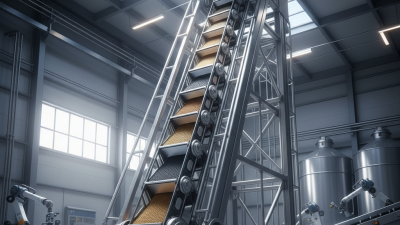
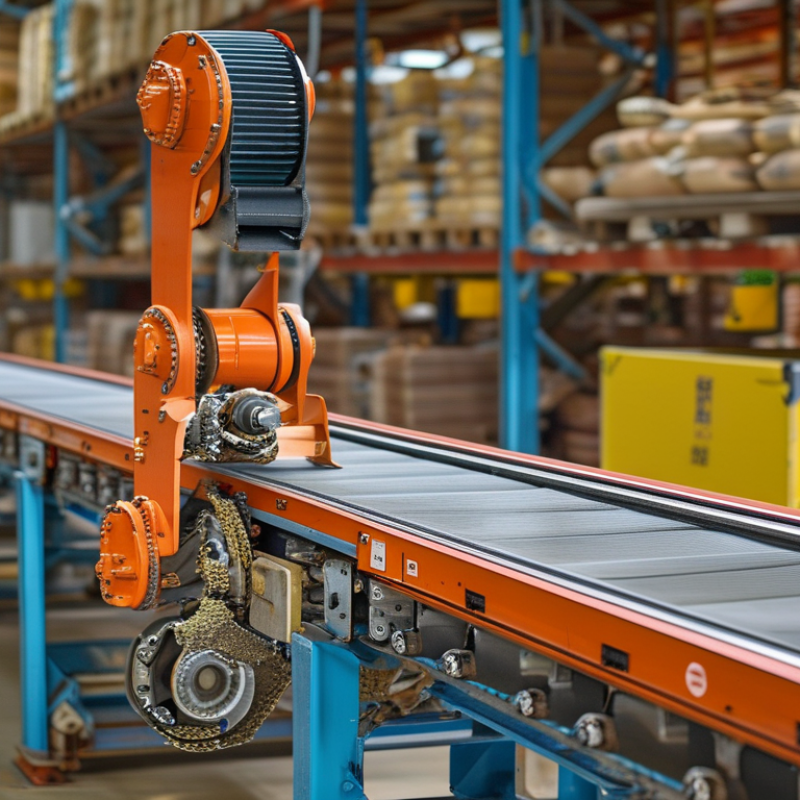
Belt bucket elevators are vital for efficient material handling in various industries. They transport bulk materials vertically with minimal labor and space. These elevators utilize buckets attached to a belt to lift materials. Their design allows for smooth movement, reducing the risk of product damage. The versatility in handling different materials makes them essential for operations ranging from agriculture to construction.
When selecting a belt bucket elevator, consider the material type. Different materials require specific bucket designs. For instance, sharp-edged materials may need reinforced buckets. Pay attention to the bucket spacing and belt speed, as these factors affect efficiency. Regular maintenance is crucial to prevent downtime. Inspecting the belt for wear and tear can prolong the elevator's lifespan and maintain performance.
To optimize your belt bucket elevator, ensure proper alignment. Misalignment can lead to increased wear and energy costs. Monitor the loading conditions; overloading can result in breakdowns. Additionally, evaluate the surrounding environment. Dusty or humid conditions may necessitate protective coatings on the components. Frequent analysis can reveal areas for improvement, ensuring your material handling remains efficient and reliable.
Key Features to Consider for Selecting a Belt Bucket Elevator
When selecting a belt bucket elevator, several key features should guide your decision. The capacity of the elevator is essential. It determines how much material can be moved at once. A higher capacity often means better efficiency in operations. Evaluate your material’s characteristics as well. Different materials require different handling methods. Make sure the elevator’s design accommodates your specific needs.
Consider the material of the buckets as well. Durable materials can improve reliability and reduce maintenance costs. Look for options that resist wear and tear, particularly in high-volume operations. Also, pay attention to the belt configuration. A robust belt ensures smooth operation and helps manage heavy loads. If the belt slips, it can lead to inefficiencies.
Noise levels during operation are worth assessing. A loud elevator could disrupt a work environment. Sometimes, a lower capacity system operates quieter than a larger one. Contemplate your overall operational goals. Balancing efficiency, durability, and noise can be challenging. Taking time to review these details can lead to a better investment in the long run.
Best Belt Bucket Elevator for Efficient Material Handling? - Key Features to Consider for Selecting a Belt Bucket Elevator
| Feature |
Description |
Importance |
| Capacity |
Maximum amount of material the elevator can handle per hour. |
Critical for ensuring operational efficiency and meeting production goals. |
| Belt Material |
Type of material the belt is made from, such as rubber or plastic. |
Affects durability and suitability for different materials being handled. |
| Bucket Design |
Shape and size of buckets, which influences material flow and handling. |
Essential for maximizing material retention and preventing spillage. |
| Drive Type |
Type of motor or gearbox used to power the elevator. |
Impacts energy efficiency and the reliability of operation. |
| Height & Configuration |
The vertical height the elevator needs to cover and its layout. |
Determines installation feasibility and space utilization. |
| Maintenance Requirements |
Frequency and type of maintenance needed for optimal operation. |
Important for long-term reliability and reducing downtime. |
| Safety Features |
Safety mechanisms like emergency stop buttons and guards. |
Vital for preventing accidents and ensuring operator safety. |
Types of Belt Bucket Elevators and Their Applications
Belt bucket elevators are crucial for efficient material handling in various industries. They are designed to transport bulk materials vertically. Different types serve specific applications. For example, standard belt bucket elevators are widely used in agriculture for grain handling. In contrast, heavy-duty models cater to mining operations, capable of lifting abrasive materials.
Several reports indicate a growing demand for belt bucket elevators. The global market is expected to reach $2 billion by 2025, driven by rising automation needs. For efficient transportation, selecting the right bucket size and spacing is vital. Buckets must fit well to prevent spillage, allowing smooth material flow.
Consider your operational environment before installation. If the material is abrasive, opt for durable construction materials. Periodic maintenance is essential for longevity. Regularly inspect for wear and tear, especially the belts and gear systems. Ensuring the elevator runs smoothly prevents costly downtimes, emphasizing the importance of effective monitoring practices.
Comparative Advantages of Belt Bucket Elevators Over Other Systems
Belt bucket elevators stand out in material handling with unique advantages over alternative systems. Their design allows for efficient vertical transport across various industries. According to a report by the Conveyor Equipment Manufacturers Association, these elevators can achieve lifting capacities exceeding 1,500 tons per hour. This capability makes them ideal for operations requiring high throughput.
One major benefit is the reduced wear and tear on both the elevator and the transported materials. Traditional conveyors can damage fragile items. However, a belt bucket elevator minimizes impact, preserving material integrity. A study from the International Journal of Advanced Manufacturing Technology highlighted that these systems have lower maintenance costs, with some users reporting a reduction of up to 30% in operational expenses.
Nonetheless, they are not without challenges. The initial setup cost can be higher than other systems. Additionally, the requirement for precise alignment is critical. Any misalignment can lead to increased friction and wear. This aspect requires careful planning and installation, which some companies may overlook. Balancing these factors is essential for maximizing efficiency and reliability in material handling operations.
Maintenance Best Practices for Optimal Elevator Performance
Maintaining a belt bucket elevator is crucial for achieving optimal performance in material handling. According to industry reports, proper maintenance can extend the life of the elevator by up to 30%.
Regular inspections help identify potential issues before they escalate. Monitoring wear on belts and buckets ensures that materials are transported efficiently without disruption.
Frequent lubrication of moving parts is essential. Insufficient lubrication can lead to friction and heat, leading to premature wear.
Keeping the elevator clean prevents material buildup, which can impede movement and create blockages. Neglecting these practices may result in costly downtime.
Regularly checking alignment and tension on the belt can enhance operational efficiency. Misalignment can cause uneven wear.
It's important to address these issues proactively instead of waiting for failure.
Also, tracking performance metrics helps determine maintenance intervals based on actual usage rather than fixed schedules.
Pay attention to warning signs like unusual noises or vibrations. These often indicate deeper issues that need addressing.
Reflecting on maintenance practices is crucial for ongoing improvement and efficiency in material handling.