Top 10 Best Belt Bucket Elevators for Efficient Material Handling?
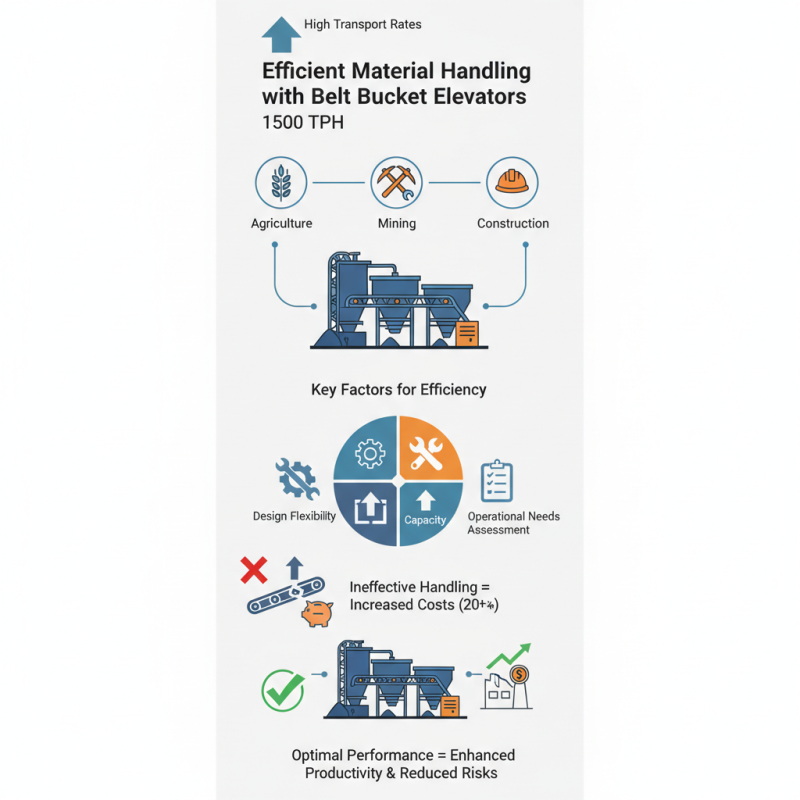
In the realm of material handling, efficiency is paramount. Belt Bucket Elevators play a critical role in transporting bulk materials. According to recent industry reports, these systems can achieve transport rates of up to 1,500 tons per hour. This incredible efficiency is essential for sectors such as agriculture, mining, and construction.
However, not all Belt Bucket Elevators are created equal. Factors such as design flexibility, ease of maintenance, and capacity significantly impact their effectiveness. Many users often overlook these elements, leading to suboptimal performance. Industry experts estimate that ineffective material handling can increase operational costs by 20% or more.
Selecting the right Belt Bucket Elevator requires careful consideration. Potential buyers must weigh various options and assess their specific operational needs. Even the best systems are not flawless. Regular maintenance and appropriate application are vital for achieving optimal results. Recognizing these aspects can lead to enhanced productivity and reduced operational risks in material handling.
Understanding Belt Bucket Elevators and Their Importance in Material Handling
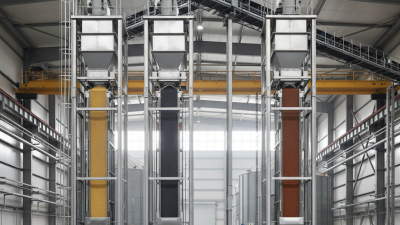
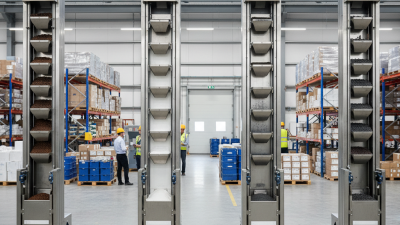
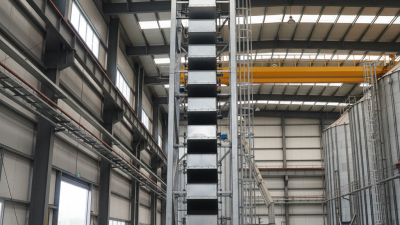
Belt bucket elevators play a crucial role in material handling across various industries. These systems efficiently transport bulk materials vertically, maximizing space and productivity. Their design often features a belt with attached buckets, allowing for the smooth movement of goods. This design minimizes spillage and material damage during transport.
Understanding the intricacies of belt bucket elevators can be challenging. Factors like bucket size, belt speed, and material type influence their effectiveness. For instance, using the wrong bucket size can lead to overflow or insufficient capacity. Operators must regularly inspect and maintain these systems to avoid costly downtimes. Even minor issues, when neglected, can escalate into major problems.
Material handling is integral to production efficiency. Poorly maintained elevators can slow down operations and affect overall output. Observing the performance of belt bucket elevators can reveal areas for improvement. Experimentation with different configurations may yield better results. Assessing these systems critically helps companies refine their operations and enhance productivity.
Key Features to Consider When Choosing a Belt Bucket Elevator
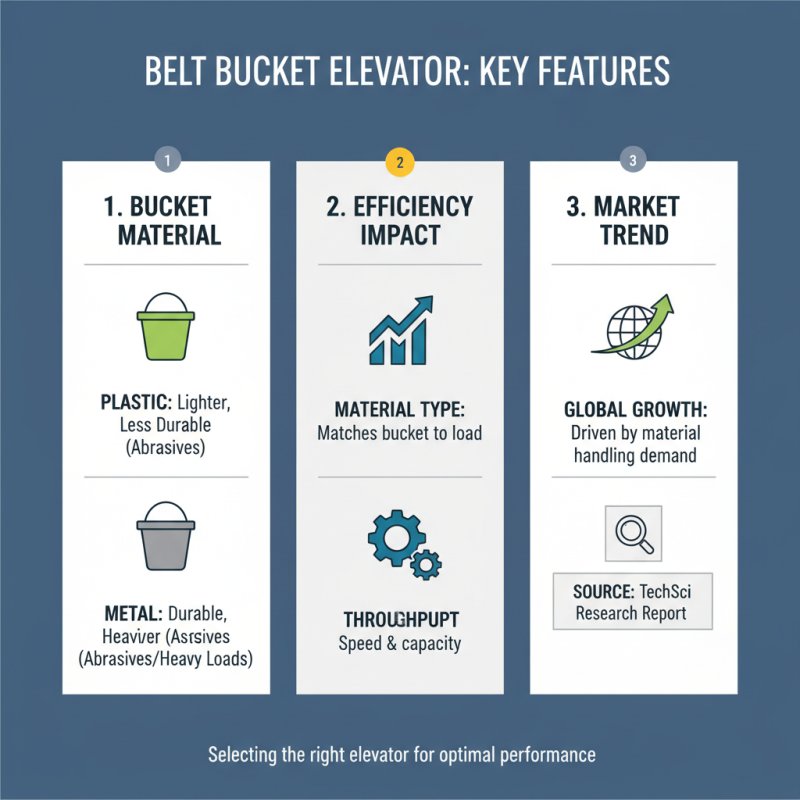
When selecting a belt bucket elevator, it is essential to consider key features that will impact efficiency. One critical aspect is the material used for the buckets. For example, plastic buckets may be lighter but could lack durability when handling abrasive materials. Conversely, metal buckets offer strong resistance but increase overall weight. According to a report by TechSci Research, the global belt bucket elevator market is projected to grow significantly due to rising demand for efficient material handling systems.
Another important factor is the elevator's capacity and throughput. The design must align with the application's specific requirements. Current industry standards suggest that elevators can handle capacities ranging from a few tons per hour to over 1,000 tons. Proper sizing ensures optimal performance, avoiding potentially costly delays. A study from Mordor Intelligence highlights that poorly sized elevators can lead to energy inefficiency and increased wear on components.
Finally, maintenance ease should not be overlooked. Some designs require extensive downtime for repairs. This can affect productivity and operational costs. Regular maintenance schedules, along with simple access to key components, are vital for long-term operation. Keeping these factors in mind will lead to more informed decisions when investing in a belt bucket elevator.
Top 10 Highly Rated Belt Bucket Elevators for Various Applications
Belt bucket elevators are essential for efficient material handling across various industries. They offer reliability and high performance in moving bulk materials. Choosing the right model can minimize downtime and enhance productivity. When evaluating options, consider factors such as capacity, material type, and environmental conditions.
One key tip is to assess the application environment. Temperature extremes or dust can impact performance. Ensuring the elevator is designed for your specific setting can prevent unnecessary failures. Regular maintenance is crucial. This helps to identify issues early and extend the elevator's lifespan.
Another important aspect is the bucket design. Different shapes and materials handle various materials better. Selecting the right bucket can make a significant difference in efficiency. Don't overlook the drive system. A well-matched drive ensures optimal operation. Sometimes, small adjustments can lead to substantial improvements in performance and reliability.
Comparative Analysis of Performance and Efficiency of Leading Models
When evaluating belt bucket elevators, performance and efficiency are critical factors. These elevators are essential in various industries for transporting bulk materials vertically. High-efficiency models often feature advanced design elements to enhance operation. These elements include robust belts, optimized bucket shapes, and reliable drive systems.
Through comparative analysis, it is clear that some elevators perform better under specific conditions. For instance, material type and flow rate influence an elevator's effectiveness. Elevators designed for heavy-duty applications may struggle with lighter materials. Conversely, those meant for lighter loads may not funnel heavy items effectively. This nuance highlights the importance of matching the elevator type to the material needs.
Efficiency metrics play a significant role in selecting the right model. Depending on design, some systems can achieve high throughput rates, reducing operational time. However, maintenance needs can be a drawback for high-performance models. Regular maintenance is vital for consistent functioning but can be time-consuming and costly. Analyzing these trade-offs is essential for making informed decisions about belt bucket elevators.
Top 10 Best Belt Bucket Elevators for Efficient Material Handling
| Model |
Capacity (TPH) |
Height (m) |
Bucket Type |
Efficiency (%) |
Material Compatibility |
| Model A |
150 |
30 |
Plastic |
85 |
Grains, Fertilizers |
| Model B |
200 |
25 |
Steel |
90 |
Cements, Aggregates |
| Model C |
180 |
28 |
Rubber |
88 |
Powders, Granules |
| Model D |
220 |
35 |
Plastic |
92 |
Food Products |
| Model E |
175 |
32 |
Steel |
89 |
Recyclables |
| Model F |
160 |
29 |
Rubber |
87 |
Coal, Minerals |
| Model G |
190 |
33 |
Plastic |
93 |
Granular Materials |
| Model H |
210 |
38 |
Steel |
91 |
Fruits, Vegetables |
| Model I |
195 |
30 |
Rubber |
86 |
Pet Food, Chemicals |
| Model J |
205 |
31 |
Plastic |
90 |
Building Materials |
Maintenance Tips for Ensuring Longevity of Belt Bucket Elevators
Maintaining belt bucket elevators is essential for their longevity. Regular inspections can prevent unexpected breakdowns. Various factors affect performance, including wear on belts and buckets. Keep an eye on the alignment of components; even slight misalignments can lead to larger issues.
Tip: Check the tension of the belt frequently. A loose belt can cause slippage, while a too-tight belt may result in excess wear on the motor and bearings. Maintain the right balance for optimal functioning.
Regular cleaning is also crucial. Dust and debris can accumulate and hinder operation. Clean the head and boot sections diligently to avoid buildup. Use a gentle brush or vacuum to remove unwanted materials, ensuring nothing obstructs the flow of material.
Tip: Lubricate moving parts according to the manufacturer's recommendations. Lack of lubrication can lead to increased friction and premature wear.
Consider scheduling routine professional maintenance. Trained technicians can spot issues that may not be apparent to an untrained eye. They can also implement necessary adjustments to keep the elevator operating efficiently.
Top 10 Best Belt Bucket Elevators for Efficient Material Handling
This chart displays the efficiency ratings of the top 10 belt bucket elevators, showcasing their performance for effective material handling. Maintaining these elevators regularly can ensure their longevity and efficiency.