Best Pneumatic Mixers for Global Buyers in 2026?
As industries increasingly rely on efficient mixing solutions, the demand for pneumatic mixers continues to rise. These mixers leverage compressed air to deliver exceptional performance in various applications. For global buyers in 2026, selecting the right pneumatic mixer can be challenging.
Understanding the diverse range of options is essential. Various brands and models offer different features. Some mixers excel in specific industries, while others provide versatility. Buyers may face the issue of distinguishing between quality and cost-effectiveness. It is crucial to research options thoroughly.
Emphasizing performance and reliability is vital. A pneumatic mixer should not only meet production needs but should also adapt to changing demands. Investing in a high-quality mixer can enhance productivity, but buyers must weigh the benefits against potential shortcomings. Even experienced professionals may need to reassess their choices. Ultimately, the goal is to find the best mixer that fulfills both current and future requirements.
Overview of Pneumatic Mixers: Definition and Applications
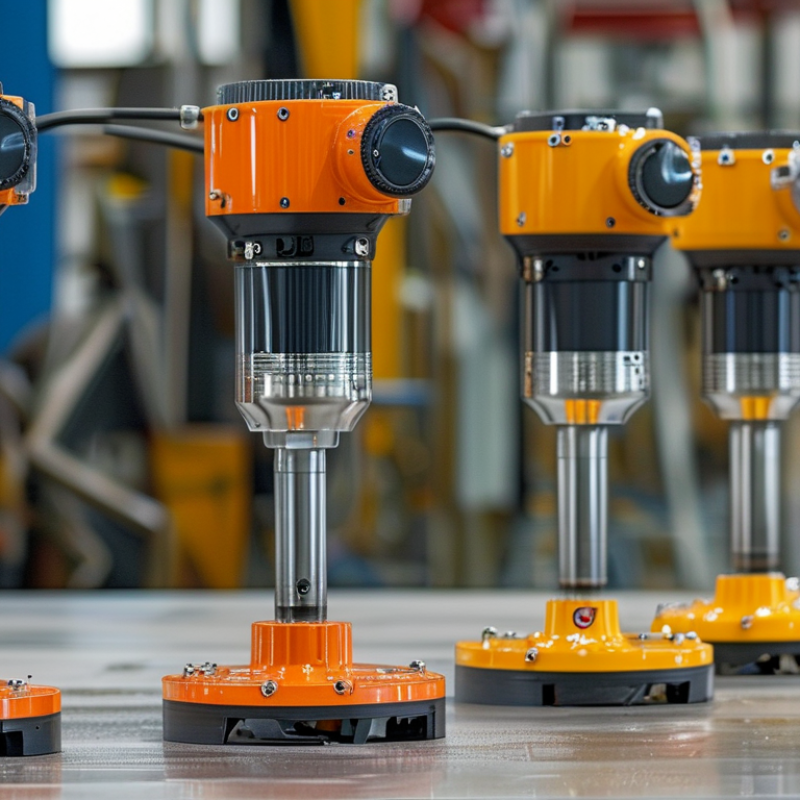
Pneumatic mixers play an essential role in various industries. These devices utilize compressed air to create a mixing action. This method is especially useful for materials that are sensitive to heat. A pneumatic mixer often operates efficiently in hazardous environments. It minimizes the risk of sparks or electrical issues.
Applications of pneumatic mixers are vast. They are widely used in the food, pharmaceutical, and chemical industries. In food production, they help blend ingredients without altering their properties. In pharmaceuticals, they ensure a consistent mixture for effective drug formulation. Furthermore, in chemical processing, they facilitate homogeneous mixing of volatile substances.
Despite their advantages, users should consider maintenance needs. Pneumatic mixers can require regular checks to maintain performance. Additionally, choosing the right size is crucial. Oversizing can waste energy while undersizing leads to poor mixing. Balancing efficiency with practicality is vital. Understanding these nuances can enhance the effectiveness of pneumatic mixers in various settings.
Key Features to Consider When Selecting a Pneumatic Mixer
When selecting a pneumatic mixer, there are several critical features to consider. The air pressure range is crucial for optimal performance. Usually, mixers operate effectively between 60 to 100 psi. Higher pressure often translates to more robust mixing capabilities, but it can also lead to excessive wear. Additionally, look into the mixer’s design. A sturdy construction can withstand the rigors of continuous use. Stainless steel options are often more durable than plastic ones.
Efficiency is another vital factor. Reports indicate that efficient pneumatic mixers can reduce mixing time by up to 30%. This can significantly boost productivity in manufacturing operations. Noise levels should also be monitored. Mixers operating at less than 75 dB are preferable in work environments to ensure operator comfort.
Tips: Always evaluate the volume capability of the mixer. Ensure it matches your production needs. Additionally, consider ease of maintenance. A mixer that is simple to clean can save valuable time.
Investing in advanced pneumatic mixers can enhance operational efficiency. However, weigh your options carefully. Conduct thorough research to ensure the chosen mixer aligns with specific production requirements. Remember that with new technologies, not all advancements will guarantee better results. Balancing innovation with practical needs is essential for sustainable success in mixing operations.
Top Brands and Models of Pneumatic Mixers for 2026
In 2026, pneumatic mixers are gaining traction among global buyers. These machines excel in blending materials across various industries. Their efficiency stems from advanced technology and design, allowing for improved mixing quality. According to industry reports, the demand for pneumatic mixers is projected to grow at a CAGR of 5.7% by 2026. This growth is fueled by increased production needs.
Top brands in the pneumatic mixer segment emphasize durability and performance. Users favor models with variable speed controls. This flexibility accommodates different materials and processes, enhancing operational efficiency. Additionally, ease of maintenance is a crucial factor for buyers. A well-maintained mixer ensures consistent output and longevity, but many overlook regular upkeep.
Data indicate that larger mixers are preferred for heavy-duty applications, while smaller models serve niche markets. However, choosing the right size can be challenging. Many buyers need help with capacity calculations. Misjudging requirements may lead to inefficiencies. The global market is evolving, making informed choices essential for success. User feedback can provide insights, but not all reviews are reliable. Therefore, understanding the specifications and applications of pneumatic mixers is vital before making a purchase.
Market Trends and Innovations in Pneumatic Mixing Technology
Pneumatic mixers play a crucial role in various industries, from food processing to pharmaceuticals. Recent reports highlight a shift towards energy-efficient and cost-effective designs. In 2026, the global market for pneumatic mixing technology is expected to grow by 8.5% annually. Innovations in this sector are driven by demands for improved precision and reduced operational costs.
One notable trend is the integration of IoT technology. This allows for real-time monitoring and automation. Such features enhance operational efficiency, reducing downtime. A study indicated that companies adopting smart pneumatic mixers observed a 25% increase in productivity. However, not all innovations have been seamless. Issues like high initial costs and the need for skilled personnel remain challenges for many organizations.
Eco-friendly materials are also gaining attention, reflecting a commitment to sustainability. Many manufacturers are now exploring biodegradable components. While this shift is promising, questions remain about the long-term durability of these materials. Industry experts suggest that ongoing research is essential to ensure reliability. As companies strive for greener solutions, balancing performance and sustainability will be crucial.
Best Pneumatic Mixers for Global Buyers in 2026
| Model |
Mixing Capacity (L/min) |
Power Consumption (kW) |
Weight (kg) |
Key Features |
| Model A |
100 |
1.5 |
45 |
High Efficiency, Compact Design |
| Model B |
150 |
2.0 |
50 |
Robust Construction, Low Noise |
| Model C |
200 |
2.5 |
55 |
Versatile Usage, Easy Maintenance |
| Model D |
120 |
1.8 |
48 |
Energy Efficient, User-Friendly Interface |
Buying Guide for Global Consumers: How to Choose the Best Mixer
When selecting a pneumatic mixer, buyers should consider several vital factors. The ideal mixer will depend on the application, material types, and desired mixing speed. A recent industry report indicates that pneumatic mixers can increase efficiency in production by up to 30%. This makes them highly valuable in sectors such as food, cosmetics, and chemicals.
It’s essential to examine the specifications. Look for features such as adjustable speed control and mixing capacity. Some mixers provide a torque range tailored to specific materials. For instance, lighter materials will require different capabilities than heavier substances. Reports show that mismatched torque can lead to inefficient mixing and inconsistent product quality.
Moreover, safety standards should be a priority. Ensuring the equipment meets local regulations is crucial. Pneumatic mixers often operate in environments where dust and fumes are common. Choosing a model with sturdy seals and proper ventilation can minimize hazards. Inadequate attention to safety features can result in accidents, leading to costly downtime. Always weigh the investment in quality against potential risks.