Top 5 Best Pneumatic Mixers for Efficient Industrial Mixing Solutions?
In today’s industrial landscape, efficient mixing solutions are crucial. The global mixer market is projected to reach over $6 billion by 2025. This growth highlights the demand for innovative mixing technologies. Pneumatic mixers stand out due to their versatility and effectiveness in various applications.
Pneumatic mixers utilize compressed air to generate powerful mixing capabilities. They are ideal for blending powders, liquids, and even viscous materials. Industries such as food and beverage, chemicals, and pharmaceuticals benefit greatly from these mixers. However, selection can be challenging because not all mixers meet specific operational needs.
Choosing the right pneumatic mixer requires careful consideration. Factors like mixing speed, capacity, and material compatibility play significant roles. Research suggests that improper mixer selection can lead to inefficiencies. In some cases, it may even compromise product quality. Understanding these aspects is essential for optimizing industrial mixing processes.
Overview of Pneumatic Mixers and Their Applications in Industry
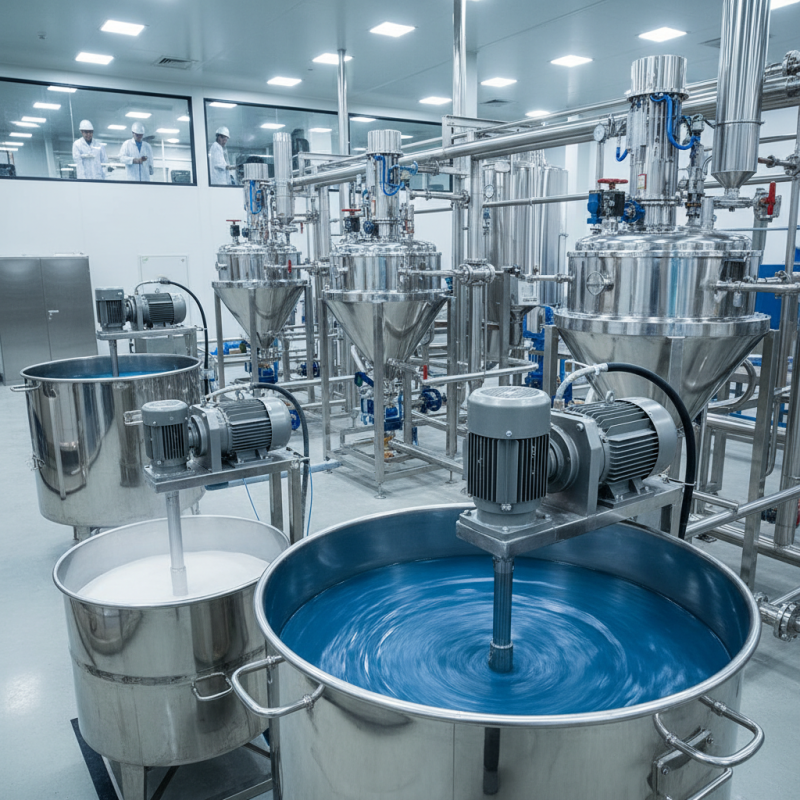
Pneumatic mixers are essential tools in various industrial applications. They utilize compressed air to create a powerful mixing action. This method is beneficial in settings where electric equipment isn't feasible. Industries often rely on pneumatic mixers for their reliability and efficiency.
In chemical processing, for example, these mixers can handle viscous fluids and powders effectively. They offer great flexibility in terms of speed and torque control. However, users sometimes overlook maintenance needs. Regular checks can prevent performance issues. Sometimes, operators are unsure about the right settings for mixing. This can lead to inconsistent results.
In food production, pneumatic mixers are used for emulsifying and blending ingredients. Their ability to control shear allows for uniform mixing. Yet, some workers may not be fully trained on their operation. This can lead to safety hazards or product waste. Understanding the right application and maintaining equipment is crucial. Proper training can help avoid costly mistakes while maximizing efficiency.
Key Features to Look for in an Efficient Pneumatic Mixer
When selecting a pneumatic mixer, efficiency is key. Consider the capacity of the mixer. A good mixer should handle various volumes. Look for a unit that suits your specific needs. High torque output is essential for effective mixing. This ensures that even thick materials are blended well.
Moreover, pay attention to the mixer’s design. Ergonomic handles and lightweight construction can make operation easier. Also, ensure the pneumatic mixer has adjustable speed settings. This feature allows for greater control, adapting to different materials. Durability is another vital aspect. Mixers should withstand harsh environments and frequent use.
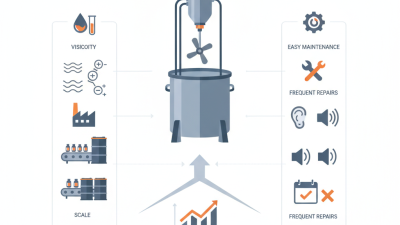
It’s also crucial to evaluate maintenance requirements. Simplicity in this area can save time and costs. Users often overlook noise levels as well. A quieter mixer contributes to a better working environment. In choosing a pneumatic mixer, always reflect on your unique requirements. There is no one-size-fits-all solution, so take time to analyze your options.
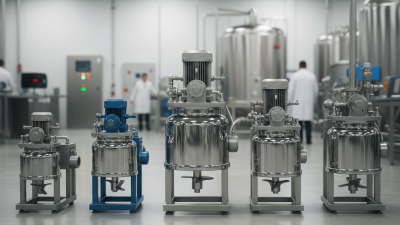
Top 5 Pneumatic Mixers: A Comparative Analysis
When exploring the world of pneumatic mixers, some key factors stand out.
Speed and power are crucial. Higher RPMs usually lead to faster mixing.
However, this can create excessive shear, harming sensitive materials. Users need to find a balance
between speed and product integrity.
Durability also plays a vital role in selecting the right mixer.
Many pneumatic mixers are designed for heavy-duty usage. They should withstand high pressures and frequent operation.
However, some models may require regular maintenance. Users often overlook maintenance,
which can lead to performance issues.
Ease of use and cleaning matters, too. The design should allow for quick assembly and disassembly.
Some mixers have complicated parts, which may frustrate operators. This can lead to downtime in production.
A user-friendly design saves time and reduces operational hiccups. When choosing a pneumatic mixer, weigh these features carefully.
Case Studies: Successful Applications of Pneumatic Mixers
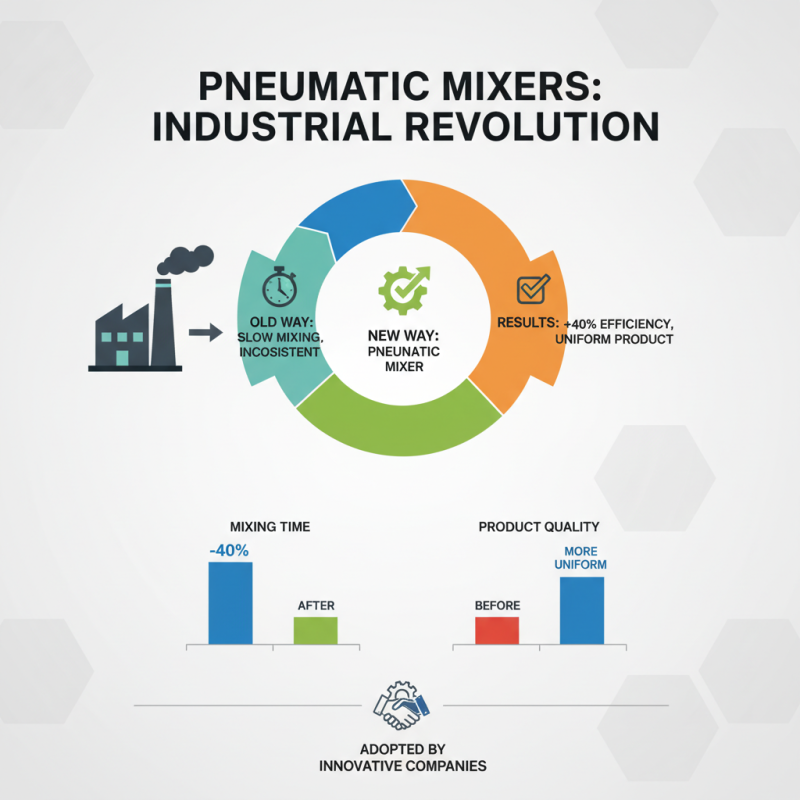
Pneumatic mixers have transformed various industrial processes. Many companies have found unique solutions using these tools. For instance, one manufacturing plant increased its production efficiency significantly. They faced challenges with material consistency and mixing times. After implementing a pneumatic mixer, they reduced mixing time by 40%. Employees noted a more uniform product and less downtime.
In another case, a food processing facility struggled with viscous materials. Their old mixer couldn’t handle the density. They switched to a pneumatic solution. The new system improved the mixing process. However, they encountered occasional over-mixing, affecting texture. This highlighted the need for better calibration. Learning from these challenges led to refining their operational procedures.
Despite various successes, some applications reveal flaws. A chemical processing company experienced inconsistent results. The mixer worked well at times but failed during peak hours. Analyzing the airflow and pressure helped them improve performance. These case studies emphasize ongoing learning and adaptation in industrial mixing processes. Each application teaches valuable lessons and leads to better solutions.
Maintenance Tips for Prolonging the Life of Pneumatic Mixers
Pneumatic mixers play a crucial role in various industries. Regular maintenance can significantly enhance their lifespan. According to a recent industry report, proper upkeep can improve equipment longevity by up to 30%. This is particularly vital in environments where consistent performance is essential.
Routine checks on pneumatic components should not be overlooked. Regular inspection of air filters, hoses, and connections ensures optimal functioning. A small air leak can lead to a 20% drop in efficiency. Basic cleaning processes can prevent buildup that may harm the mixer. Ignoring this can result in unplanned downtime.
Lubrication is not just a suggestion; it's necessary. Using the right lubricant allows for smooth operation and reduces wear. However, over-lubrication can cause issues too. Finding a balance is essential. Keeping a maintenance log helps track possible weaknesses. It provides insight into recurring problems that may need addressing. Frequent reflection on these practices makes for a more reliable mixing solution.
Top 5 Best Pneumatic Mixers for Efficient Industrial Mixing Solutions
This bar chart represents the mixing efficiency of the top 5 pneumatic mixers in an industrial setting, providing a visual comparison of their performance. Ensuring high efficiency is crucial for effective mixing processes in various applications.