How to Choose the Right Bucket Elevator for Your Warehouse Needs?
In the world of warehousing and logistics, the choice of equipment is critical. According to industry reports, the bucket elevator market is expected to grow significantly in the coming years. This growth is driven by the increasing demand for efficient material handling solutions. A bucket elevator is a vital component for transporting bulk materials vertically, making it indispensable for many operations.
Bucket elevators come in various designs and capacities, tailored to meet diverse needs. Selecting the right one can enhance productivity and reduce operational costs. However, many warehouses struggle with their selection process. They often overlook factors like material type, capacity, and system layout. Industry statistics suggest that improper choices can lead to inefficiencies and increased maintenance costs.
Understanding the specific requirements of your warehouse is essential. It can be daunting, but the right bucket elevator can transform your operations. Consider factors such as installation space, material characteristics, and handling rates. The wrong selection may hinder workflow or cause safety issues. Therefore, making an informed choice is critical for long-term success.
Understanding Bucket Elevators: Types and Applications in Warehousing
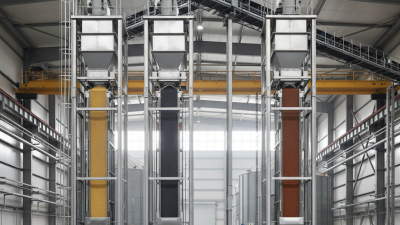
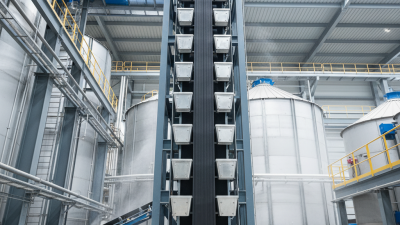
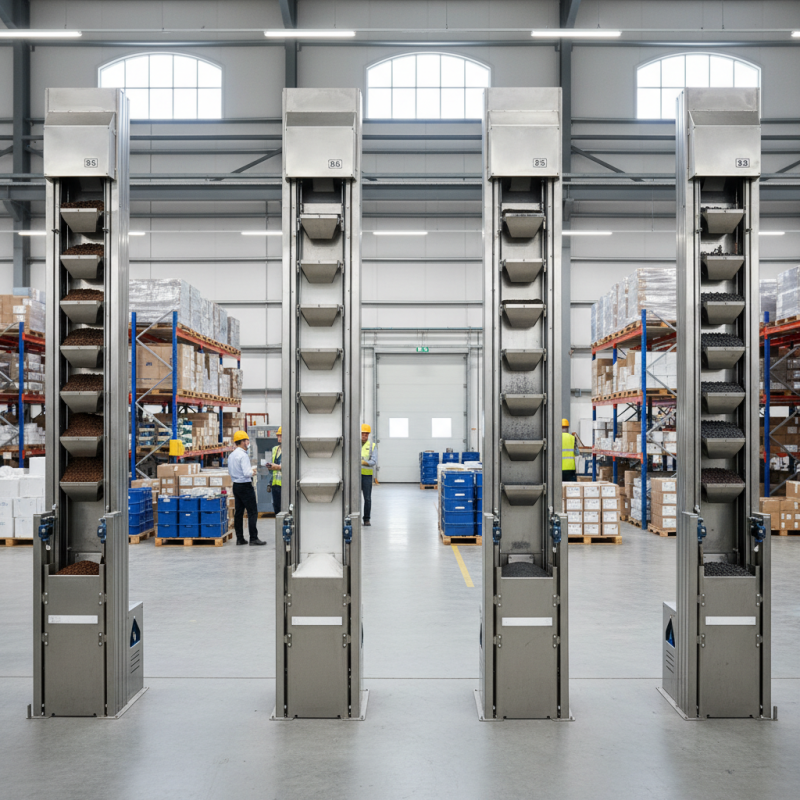
Bucket elevators play a crucial role in warehousing. They efficiently transport bulk materials vertically. Understanding different types of bucket elevators can help you choose the right one for your needs. The most common types include centrifugal, continuous, and hybrid bucket elevators. Each type has unique features suited for specific applications. For instance, centrifugal bucket elevators are best for high-speed operations. They handle free-flowing materials like grains and fertilizers.
Efficiency is key in warehousing. According to industry reports, using a bucket elevator can increase productivity by up to 50%. However, the selection process often requires careful consideration. Factors like material type, handling capacity, and height must be analyzed. Also, the bucket design affects performance. A wider bucket may carry more but can slow down operations. Remember, the right choice can minimize operational costs in the long run.
Tip: Always consider your warehouse layout. The elevator design should fit seamlessly into your existing structure. Evaluate your material flow too. This ensures you select the most effective bucket elevator for your tasks. Lack of proper assessment may lead to operational failures. Regular maintenance is also vital for long-term efficiency. Neglecting this could result in unexpected downtimes.
Assessing Warehouse Capacity: Determining Bucket Elevator Size and Speed
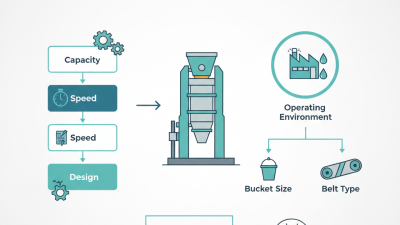
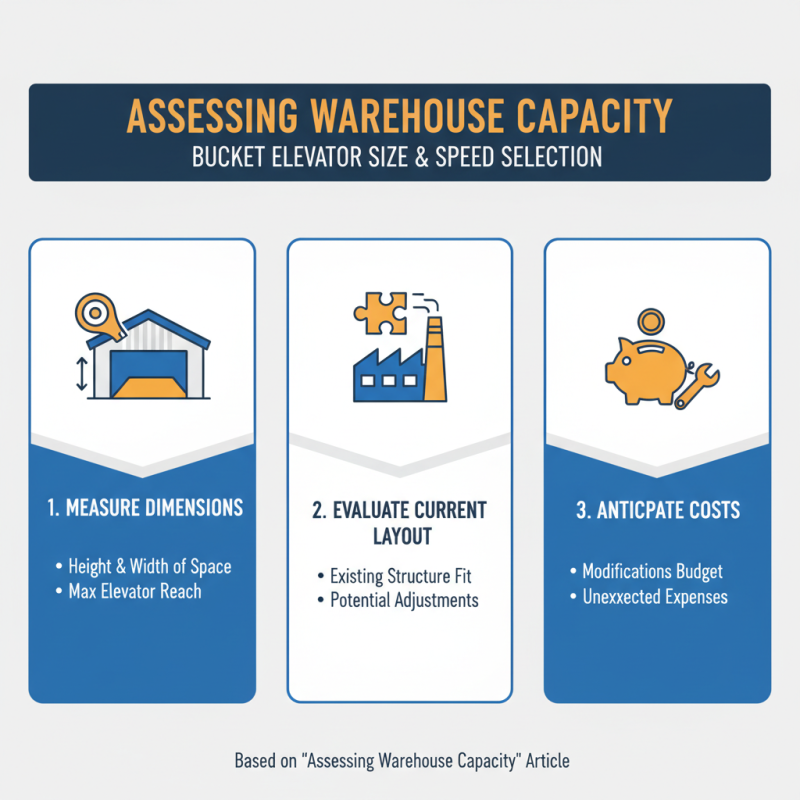
When selecting a bucket elevator, evaluating warehouse capacity is paramount. Start by measuring the height and width of your space. Knowing these dimensions helps you determine the maximum height the elevator can reach. It's critical to assess the current layout. Fitting an elevator into an existing warehouse can be challenging. Sometimes, adjustments are necessary, and these changes can lead to unexpected costs.
Consider the material you are handling. Different materials require different bucket sizes. A larger grain may need deep buckets, whereas powders might require shallower ones. Speed matters, too. An elevator that moves too slowly can lead to bottlenecks. However, increasing speed can compromise reliability. Striking the right balance is essential for efficiency.
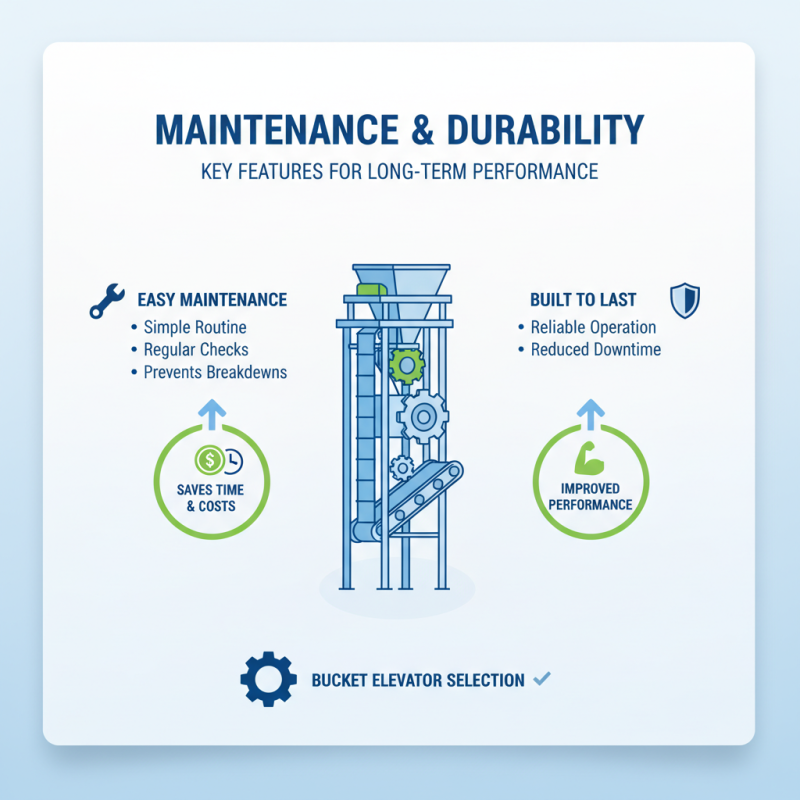
Pay attention to maintenance needs. Some elevators require more care than others. Frequent breakdowns can disrupt operations. It's worth reflecting on your team's technical skills. If they are not equipped to manage repairs, consider options with lower maintenance requirements. Realizing these factors in advance can save time and frustration later on.
Material Handling Considerations: Choosing the Right Bucket Material
When selecting a bucket elevator, material handling considerations are crucial. The right bucket material greatly influences operational efficiency. For example, plastic buckets are lightweight and suitable for non-abrasive materials. They help minimize energy use. Metal buckets, while heavier, offer durability for harsh environments. According to a recent industry report, 65% of companies reported increased efficiency by choosing the right bucket material.
Additionally, the cargo type affects your decision. Granular materials may require different bucket types than powders. A mismatch can lead to breakdowns. A study by the Material Handling Institute found that 32% of equipment failures stem from improper material selection. Environment also matters. High temperatures can warp certain plastics. Cold weather can make metals brittle.
Cost often plays a role but should not overshadow durability and suitability. Cheaper buckets may save money upfront but lead to frequent replacements. In the long run, investing in quality pays off. Choosing the right bucket elevator is not just a technical decision. It's a strategic one, aligned with your warehouse's specific needs and challenges.
Material Considerations for Bucket Elevators
This chart illustrates the weight capacity of various bucket materials used in bucket elevators. Choosing the right material is crucial for meeting the specific needs of your warehouse operations.
Evaluating Power Options: Electric vs. Pneumatic Bucket Elevators
When evaluating power options for bucket elevators, the choice often narrows down to electric versus pneumatic systems. Electric bucket elevators are popular due to their efficiency and lower operational costs. Industry reports indicate that electric elevators can achieve efficiencies over 90%, cutting energy consumption significantly. These systems handle a variety of materials, from grains to powders, making them versatile.
On the other hand, pneumatic bucket elevators offer distinct advantages for specific warehouse environments. They operate using air pressure to move materials, reducing dust emissions. According to the Pneumatic Conveying Association, pneumatic systems can minimize the risk of contamination. However, they tend to have higher initial costs and may require more maintenance than their electric counterparts.
It's essential to consider your material handling needs and facility layout. Electric elevators fit well in spaces with consistent material flow, while pneumatic systems excel in environments needing higher sanitation. Despite these insights, some warehouse managers grapple with balancing upfront costs and long-term benefits. Each option has its drawbacks and requires an honest assessment of operational demands and maintenance capabilities.