10 Essential Tips for Choosing the Right Pneumatic Mixer for Your Needs?
Choosing the right Pneumatic Mixer can significantly impact your operations. The variety of mixers in the market can be overwhelming. Each mixer has its unique features and specifications. Understanding your specific needs is crucial.
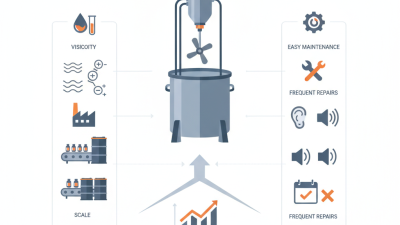
When evaluating options, consider factors like mixing capacity and application type. The right Pneumatic Mixer should handle the material viscosity you'll work with. Beware of mixers that promise too much but fail in performance. Sometimes, less popular models might meet your needs better.
Do not rush the decision. Take time to research and compare different models. Physical attributes like size and design matter as well. The perfect Pneumatic Mixer for your needs is out there, but it may require careful thought.
Understanding Pneumatic Mixers: Key Features and Functions
Pneumatic mixers are essential tools in various industries. They offer several features that enhance efficiency. Understanding these features can help you make a better choice.
One key feature is the type of mixing action. Some mixers create a vortex effect. Others rely on shear mixing. Identifying your specific mixing needs is vital. Think about the viscosity of your materials. Will the mixer handle them well? Not all mixers work for all substances.
When choosing a mixer, consider the air consumption. Higher consumption may increase operational costs. But lower consumption might not provide enough power. Balancing energy efficiency with performance is crucial.
Tip: Always assess your material’s properties. This helps in selecting the right mixer. Also, think about maintenance needs. Some mixers require regular upkeep, while others are more robust. Reflect on how often you will use the mixer. Is your production schedule demanding? This affects your choice of mixer as well.
Choosing the Right Pneumatic Mixer: Key Features Comparison
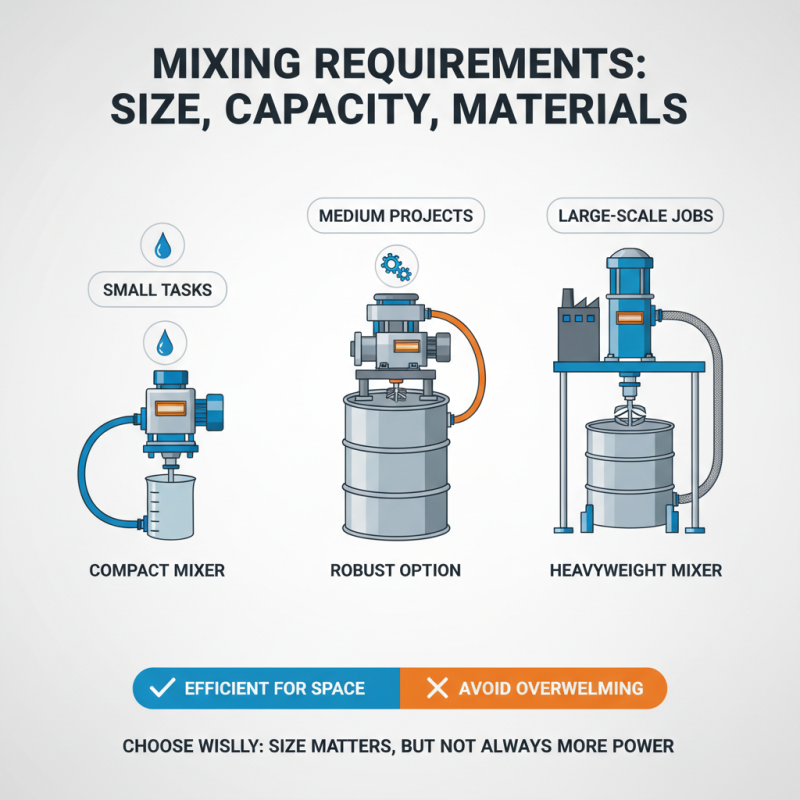
Evaluating Your Mixing Requirements: Size, Capacity, and Materials
Choosing the right pneumatic mixer starts with evaluating your mixing requirements. Understanding the size of your operation is crucial. For smaller tasks, a compact mixer may suffice. However, larger projects demand a significantly more robust option. Remember, not all jobs require a heavyweight mixer. Sometimes, a smaller device can perform efficiently without overwhelming your workspace.
Capacity is another important aspect. Think about the volume you need to mix at once. If you frequently work with large batches, a high-capacity mixer is essential. On the flip side, consider the materials you’ll be mixing. Some mixers perform better with specific substances. It’s smart to match the mixer’s design to your particular materials. Reflect on past projects. Did you encounter issues with previous mixers? These experiences can guide your choice. Always be open to reassessing your needs and how they align with the mixer’s capabilities.
Assessing Power Sources and Air Consumption for Efficiency
When selecting a pneumatic mixer, understanding power sources and air consumption is crucial. A well-chosen power source enhances efficiency and productivity. Look for mixers that match your power supply capabilities. You may find options with varying air pressures suitable for different applications. Higher pressure can increase mixing intensity but may lead to excessive air consumption, affecting operational costs.
Consider the air consumption rate of your mixer. This factor significantly influences overall energy use. Select a model that balances performance and efficiency. Some mixers offer adjustable air flow settings, providing more control over the mixing process. This flexibility can help you optimize performance based on specific material requirements.
It’s also wise to think about the layout of your workspace. Ensure that air lines and power sources are easily accessible. A complicated setup may lead to inefficiencies, making operations cumbersome. Regular maintenance is necessary to prevent wear and tear on pneumatic components. A neglected system can result in increased downtime and additional costs, which underscores the importance of proper upkeep.
10 Essential Tips for Choosing the Right Pneumatic Mixer for Your Needs
| Feature |
Description |
Recommended Value |
Notes |
| Air Consumption |
The volume of air needed to operate the mixer efficiently. |
5-10 CFM |
Ensure compressor capacity aligns with mixer needs. |
| Power Source |
Type of air supply system utilized by the mixer. |
Compressed Air |
Check for compatibility with existing systems. |
| Mixing Speed |
RPM at which the mixer operates. |
200-600 RPM |
Higher RPMs for viscous materials. |
| Port Size |
Diameter of the air inlet port. |
1/4" to 1/2" |
Larger sizes can provide more airflow. |
| Mixing Capacity |
Maximum volume of material the mixer can handle. |
5-50 Gallons |
Choose based on batch sizes. |
| Weight |
Overall weight of the mixer unit. |
20-100 lbs |
Consider wheeled options for mobility. |
| Durability |
Material quality and resistance to wear. |
High-Grade Aluminum or Stainless Steel |
Choose based on application conditions. |
| Noise Level |
Decibel level of operation. |
70-85 dB |
Consider hearing protection if necessary. |
| Maintenance Requirements |
Frequency and ease of maintenance procedures. |
Monthly inspections |
Simpler designs may reduce downtime. |
Comparing Different Types of Pneumatic Mixers on the Market
Choosing the right pneumatic mixer involves comparing various types available on the market. The most common types include handheld mixers, fixed mixers, and mobile mixers. Each type has its specific applications and benefits. Handheld mixers are great for small tasks and can be easily maneuvered. However, they may lack the power needed for larger volumes.
Fixed mixers offer more stability and power for industrial applications. They may not be as flexible, limiting their use to specific locations. Mobile mixers provide versatile solutions for on-the-go mixing. They are ideal for job sites but can require more maintenance. Evaluate the space where you plan to use the mixer. Space limitations can affect your choice.
It's vital to think about the materials you'll be mixing. Different materials require different mixing techniques. Some mixers may not perform well with thicker substances. Additionally, consider the airflow and pressure requirements. Too little pressure can lead to inefficient mixing. But excessive pressure may damage the materials. Take time to reflect on these factors before making a decision. A well-informed choice can improve your mixing tasks significantly.
Maintenance and Support Considerations for Long-Term Use
When selecting a pneumatic mixer, maintenance and support are crucial. Regular upkeep can extend the life of your equipment. Inspections should be done monthly. Check for leaks or wear in the hoses. A small problem can quickly escalate if ignored. A dedicated maintenance schedule is invaluable. It keeps everything running smoothly.
Consider warranty and support options before making a purchase. Some suppliers offer excellent support, while others may lack responsiveness. Choose wisely. A quick response can save time and money. Look for resources like manuals and online guides. They can be lifesavers when issues arise.
Keep in mind that every mixer has unique requirements. Some may need more frequent maintenance due to their operation conditions. Understand these specifics to avoid future headaches. Reflection on past experiences can provide insights. If a mixer breaks down frequently, it might be time to rethink your choice. Better decisions lead to better outcomes.