Top Portable Dust Collection System Benefits and Features to Consider?
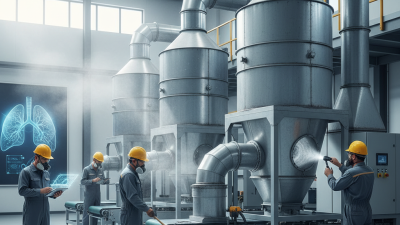
The importance of a Portable Dust Collection System cannot be understated in today's manufacturing and workshop environments. According to a report by the U.S. Environmental Protection Agency, over 1.4 million workers are exposed to hazardous dust annually. This exposure poses serious health risks, such as respiratory diseases and occupational lung cancers. Implementing a portable system can help mitigate these risks effectively.
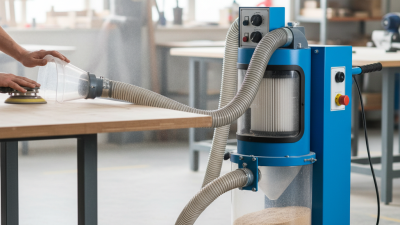
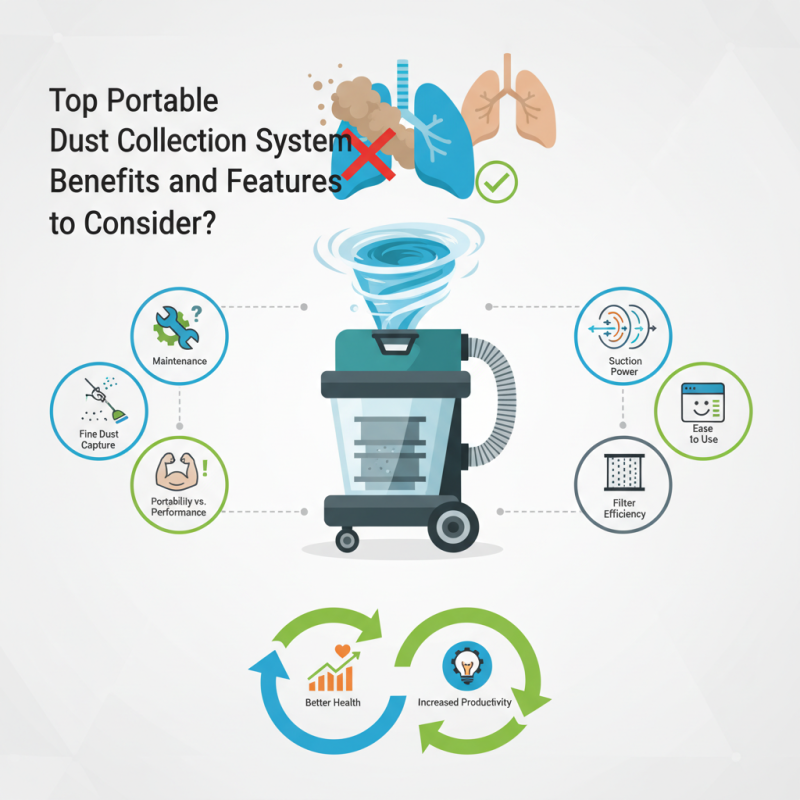
These systems are designed for versatility and efficiency. They can be easily moved to different work areas, adapting to various tasks. Users report a significant reduction in airborne particles, leading to a cleaner workspace. However, not all portable systems are created equal. Factors like suction power, filter efficiency, and ease of use should be carefully evaluated.
While portable dust collection systems offer many advantages, they are not without challenges. Some models may require frequent maintenance or have limitations in capturing fine dust particles. Balancing portability with performance is key. Investing in the right system can contribute to better health and productivity. Choosing the wrong one may lead to frustration and safety risks.
Benefits of Portable Dust Collection Systems in Industrial Settings
Portable dust collection systems offer numerous benefits in industrial settings.
These systems enhance air quality by capturing harmful particles. Employees can breathe easier and work more efficiently.
Additionally, cleaner air can lead to fewer health issues.
This is vital in environments with sawdust, metal shavings, or other fine debris.
When choosing a portable system, consider the size and type of materials generated. A unit that suits woodworking might not be effective for metalworking.
Placement matters too. Positioning the collector near the source of dust ensures maximum efficiency.
Tips: Regularly maintain the equipment. Clogged filters reduce performance.
Training staff on proper usage can also prevent mistakes. Observe which areas accumulate dust quickly.
These insights can help optimize your dust management strategy.
Key Features to Consider When Selecting a Portable Dust Collector
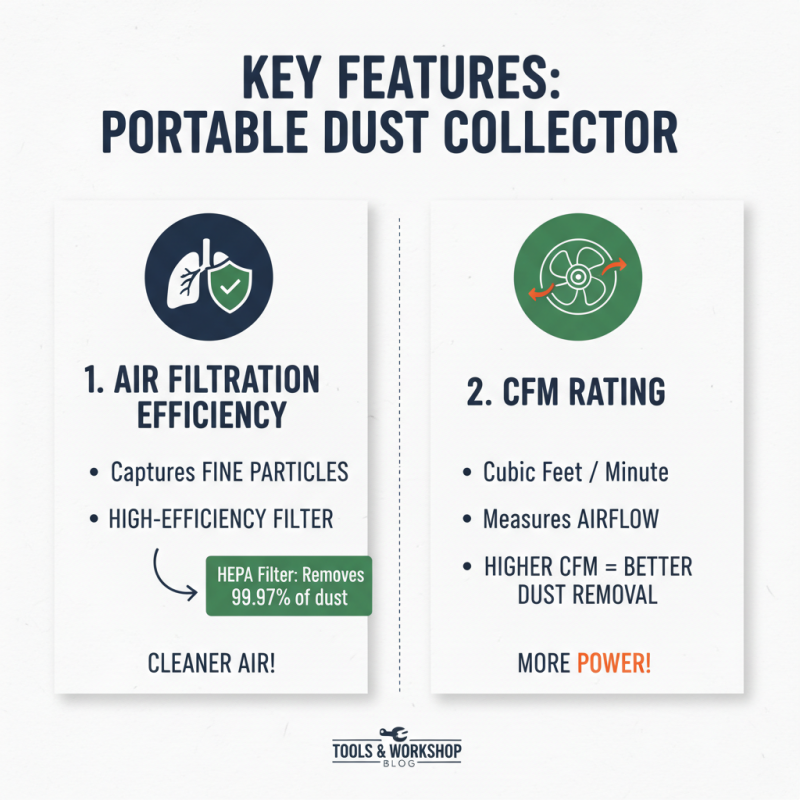
When selecting a portable dust collector, consider the air filtration efficiency. A high-efficiency filter can capture fine particles. Look for HEPA filters, as they remove up to 99.97% of airborne dust. The more efficient the filter, the cleaner the air you breathe. Also, check the CFM rating. CFM stands for cubic feet per minute. A higher CFM means better airflow and dust removal.
Size matters too. If space is tight, choose a compact model. However, don’t neglect power; too small a unit may struggle with larger debris. Noise levels are often overlooked. A quieter machine can make a big difference in a workshop. Pay attention to portability features, such as wheels and handles. They should make moving the unit easy.
Consider the collection bag or bin capacity. A large capacity reduces the frequency of emptying. But, larger sizes might make the unit harder to handle. Think about maintenance requirements. Some systems require more frequent cleaning and filter changes. This maintenance can easily be forgotten in busy environments, leading to reduced performance. Balancing these factors is key to finding the right portable dust collector.
Impact of Dust Collection on Workplace Health and Safety Statistics
Dust collection systems play a crucial role in maintaining workplace health and safety. Air quality is often compromised by dust particles roaming freely. These particles can lead to respiratory issues and other health risks. Workers may not notice the danger immediately, but exposure adds up over time. Regular monitoring can highlight worsening conditions.
Recent statistics show that workplaces with effective dust collection systems report fewer health-related incidents. Improved air quality often leads to better productivity. Employees function better when they feel safe and healthy. However, not all systems are created equal. Some might struggle with efficiency or maintenance issues, leading to lapses in dust control.
Choosing the right dust collection system involves weighing benefits and features carefully. Simple solutions may help, but they might not be enough. Each workspace is unique, with specific needs. Understanding these needs and addressing potential shortcomings is vital. Proper dust control is not just about compliance; it’s about protecting workers’ health today and in the future.
Top Portable Dust Collection System Benefits and Features to Consider
| Feature |
Description |
Impact on Health & Safety |
| Improved Air Quality |
Removes dust and airborne pollutants effectively. |
Reduces risk of respiratory problems. |
| Portability |
Easily movable to different work areas. |
Allows for flexible workplace arrangements ensuring safety in all locations. |
| Noise Reduction |
Designed with noise-reducing features. |
Enhances comfort and concentration, reducing stress levels. |
| Energy Efficiency |
Low power consumption with high efficiency. |
Saves on operational costs, promoting long-term sustainability. |
| Versatile Accessories |
Compatible with various tools and applications. |
Enhances overall safety by ensuring proper dust collection across all operations. |
Comparative Analysis: Portable vs. Stationary Dust Collection Systems
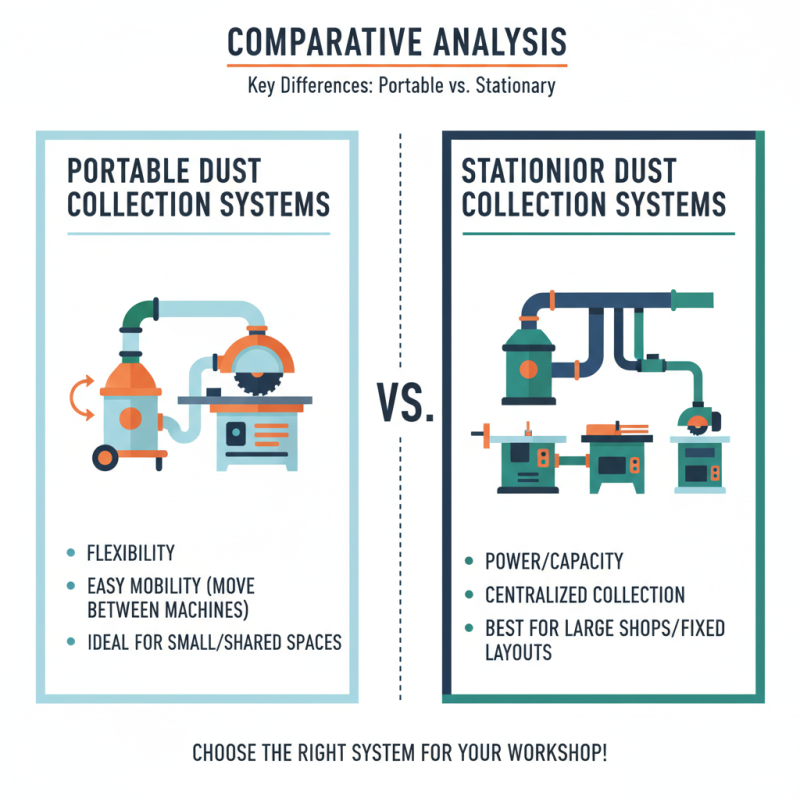
When considering dust collection systems, understanding the differences between portable and stationary options is crucial. Portable dust collectors offer flexibility. They can be moved easily between various workstations. This mobility is vital in environments where space is limited.
In contrast, stationary systems are typically larger and more powerful. They are designed for dedicated areas. A stationary system may handle larger volumes of dust and debris. According to industry reports, stationary systems can achieve efficiency levels up to 99%, significantly improving air quality. However, they require more space and installation effort. As such, they may not be suitable for smaller workshops.
Tips: Ensure you assess the volume of dust generated in your workshop. If it fluctuates, a portable unit might be more efficient. Make sure to consider the power source. Portable dust collectors often rely on standard outlets. Stationary systems might need hardwired connections. Reflect on your workflow and space before choosing. This can prevent future inconveniences and inefficiencies. Each option has trade-offs that should align with your specific needs.
Cost Efficiency and ROI of Implementing Portable Dust Collectors
Portable dust collectors are increasingly recognized for their cost efficiency. According to a recent industry report, implementing these systems can lead to savings exceeding 30% in operational costs. This is mainly through reduced labor expenses and minimized health-related costs associated with dust exposure. Manufacturers often see quick payback periods, with ROI realized in as little as 12 months.
In addition to the direct financial benefits, portable dust collectors enhance workplace safety. A study revealed that environments utilizing effective dust removal systems reported a 50% decrease in workplace accidents related to respiratory issues. However, not all portable dust systems are equally effective. Some units may not perform optimally depending on the type of dust generated. This imperfection necessitates thorough assessments before selection.
Operational flexibility is a further advantage of portable systems. They can be moved to different job sites easily. Yet, this flexibility can also lead to inconsistent usage, impacting overall dust control. Investing in proper training on best practices can improve performance and ensure that systems are used effectively, maximizing cost efficiency and safety benefits.